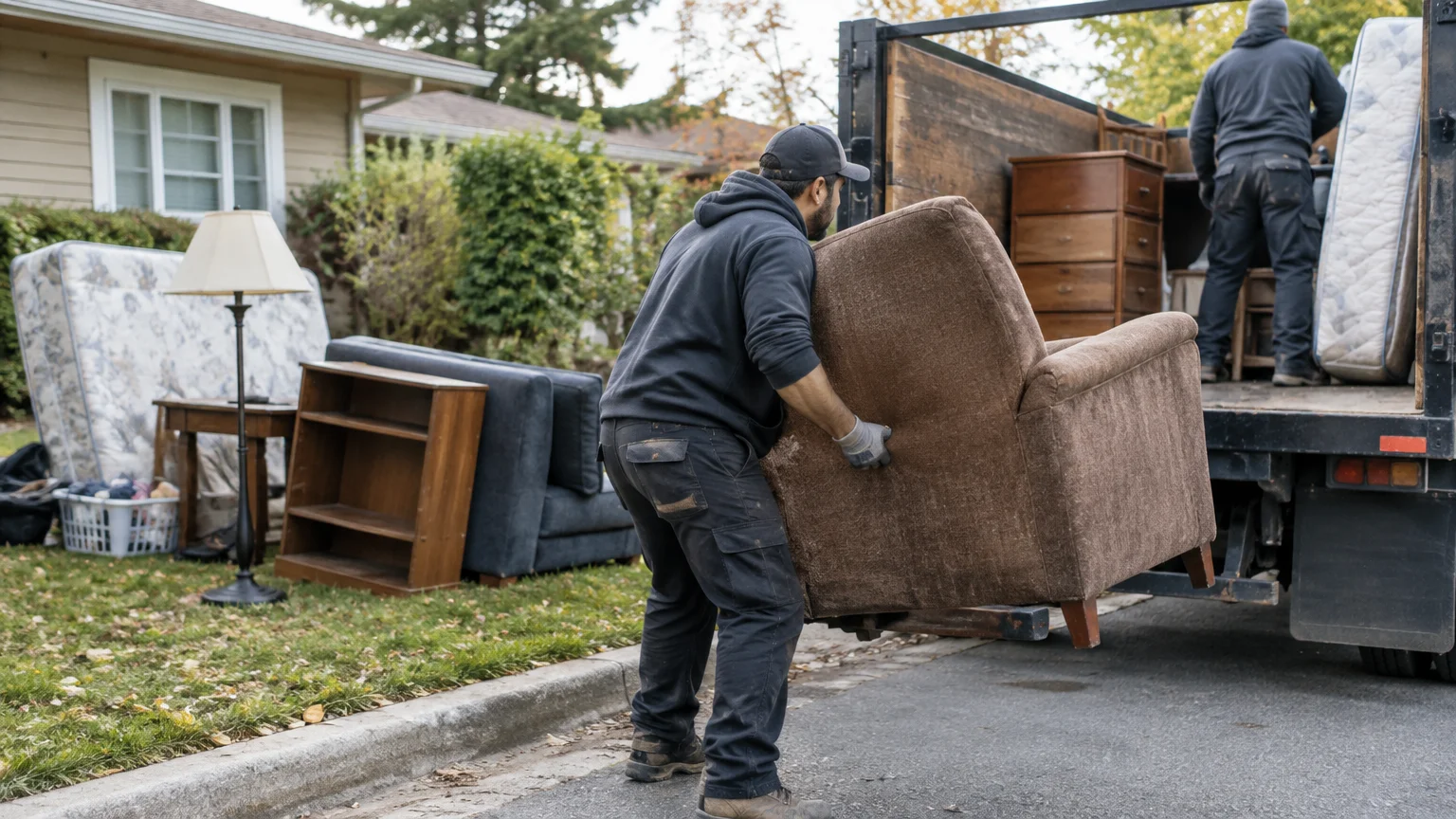
The best way to learn how to get rid of old furniture is to check its condition, size, and local disposal rules. Clean, usable pieces may be donated, sold, or reused. Broken or heavy items may need recycling, curbside pickup, or help from a furniture removal company such as Littleton Junk Removal.
What Are the Best Ways to Get Rid of Old Furniture?
The right choice depends on whether the furniture is clean, safe, and useful. A strong dresser may help another family, while a torn couch or damaged mattress may need a different plan. You should also think about the item’s size and whether you can move it safely.
Donate, Sell, Recycle, or Reuse Furniture in Good Condition
Donation is a good choice for furniture that is clean, stable, and free from major damage. Local charities may accept couches, tables, bed frames, and dressers. Each group has its own rules, so check first before taking an item outside.
Selling may work for furniture in good shape. Clear photos and honest details help buyers know what to expect. Reuse is another simple option. An old dresser may work as garage storage, while a small table may become a workbench.
Recycling may be possible when furniture has separate wood, metal, or other parts. A recycling center can tell you what it accepts. Mattresses often have special rules because they contain several materials and take up a lot of space.
When Does Curbside Pickup or Junk Removal Make More Sense?
Curbside pickup may suit smaller items that you can move without help. Keep the item away from traffic, walkways, and utility equipment. Many towns limit what they collect or require you to schedule pickup first.
A junk removal service may be a better choice for furniture that is large, heavy, damaged, or upstairs. It can also help with a home cleanout, move, renovation, or estate clearing. Littleton Junk Removal can help Littleton property owners choose an option that fits the item and the home.
Some people search for furniture removal near me when they want to avoid the lifting and disposal work. Local options vary by charity, town, and item condition. Ask what the company accepts and how the final cost is confirmed on a quote. Never assume that a pickup is free.
How Should You Prepare Couches, Mattresses, and Dressers for Removal?
Good preparation helps protect your home and makes pickup safer. Clear the item, measure the path, and remove small parts that could fall during handling. Planning also helps the crew know which items need attention first.
Clear Personal Items and Separate Materials
Empty every drawer, shelf, basket, and cushion area before pickup. Check behind and under the furniture for papers, toys, coins, and small electronics. Remove loose shelves, legs, and glass when they can come out safely.
Keep private papers and personal items separate. Furniture from an office or bedroom may contain records, keys, or devices. Review each piece before it leaves the property.
For mattresses, use a clean cover when one is available. Do not cover a wet or moldy mattress and assume every provider will take it. Tell the removal company about stains, pests, water damage, or other problems before the visit.
Old appliances need care too. A refrigerator or freezer may need a special program because it contains refrigerant and electrical parts. Ask the local transfer station or removal company what it accepts. The same rule applies when learning how to dispose of appliances safely.
Measure Access Points and Protect Floors and Walls
Measure the furniture and compare it with doors, halls, stairs, and gates. Check tight turns and low ceilings. A couch may fit through a doorway after its legs or cushions come off.
Protect floors with moving blankets, cardboard, or other safe coverings. Keep pets and children away from the work area. Clear the route so nobody trips while carrying a heavy item.
You can handle light cleaning and simple preparation yourself. Professional help is safer for large furniture, narrow stairs, fragile walls, or awkward lifting. Do not attempt a move that causes pain or needs unsafe stacking.
How Are Different Types of Bulky Furniture Removed Safely?
Furniture removal starts with a plan for weight, shape, and access. Crews may carry an item whole or take it apart when that lowers the risk of damage. The safest method depends on the furniture and the property.
Removing Couches, Recliners, and Sectionals
Check couches and recliners for removable cushions, feet, backs, and hardware. Sectionals may need to come apart into smaller pieces. The crew should protect door frames and guide each part through turns instead of forcing it.
Recliners can be heavier than they look because of their metal frames and moving parts. Do not drag a damaged recliner across finished flooring. Power recliners also need care around cords and controls.
Before pickup, point out stairs, narrow halls, loose railings, and low branches. Clear directions help the crew choose a safe route. If an item cannot leave through the usual path, the company can explain the available choices.
Handling Mattresses, Bed Frames, Dressers, and Cabinets
Keep mattresses dry and separate from loose debris when possible. Bed frames can often be taken apart with basic tools, but rusted hardware may make the job harder. Empty dressers and cabinets before they move.
Glass doors, mirrors, and sharp metal edges need special care. A crew may wrap or separate these parts to reduce breakage. Do not place broken glass inside drawers or leave it loose beside the furniture.
Furniture with pests, mold, strong odors, or bodily fluid damage needs advance notice. These problems may change the safe handling plan. Local rules may also limit choices for treated wood, mattresses, or upholstered items.
Furniture junk removal can include several item types during one visit. Make a clear list before scheduling. This helps the company understand the load and plan the right vehicle and crew.
What Should You Expect When Hiring a Furniture Removal Company?
A furniture removal company usually reviews the items, access, and property before loading. The crew then removes the agreed items and sends them toward donation, recycling, reuse, or disposal when accepted. The final cost is confirmed on a quote and depends on the job details.
How Does the Pickup and Loading Process Work?
First, identify the furniture you want removed. The crew checks the items and looks at the path from each room to the loading area. They may ask about stairs, gates, elevators, parking, or fragile surfaces.
Next, the crew prepares the path and moves the furniture with safe lifting methods. They may wrap corners, remove parts, or use equipment for heavy pieces. Stay clear of the work area and mention anything that needs extra care.
After loading, check the room and route for loose debris or damage. The company may sort items based on their condition and local rules. Donation and recycling are not possible for every item, so ask what can be accepted.
Littleton Junk Removal serves homeowners, landlords, and property owners who need help with bulky household items. Local service can help when you lack a suitable vehicle, extra help, or time for a large cleanout.
What Factors Affect the Overall Cost of Furniture Removal?
The overall cost can vary with the number of items, their size, weight, condition, and location. Stairs, long carries, tight access, disassembly, and difficult materials may also affect the quote. A small curbside load is different from a full residential cleanout.
Urgent timing and special handling may change the work plan. Mattresses, appliances, stained furniture, and items with glass or electrical parts may need extra steps. Describe these details before the visit so the quote reflects the actual job.
There is no single cost for every furniture removal service. Each company sets its own pricing, and the final amount should be confirmed on a quote before work begins. Littleton Junk Removal can explain what the work includes so you can plan with clear expectations.
Conclusion
Learning how to get rid of old furniture starts with checking the item and the home. Donate or reuse clean pieces when possible. Follow Littleton disposal rules for curbside pickup and recycling. For heavy, damaged, or hard-to-move furniture, professional help can make the job safer and simpler.
Contact us today to arrange furniture removal with Littleton Junk Removal.
Key takeaways
- Check condition first: Clean, safe furniture may be donated, sold, or reused.
- Plan the route: Measure doors, halls, stairs, gates, and tight turns.
- Prepare each item: Empty drawers, remove loose parts, and protect floors.
- Share important details: Mention mattresses, appliances, glass, pests, or damage.
- Confirm the work: Review the item list and quote before pickup begins.
Frequently Asked Questions
How can someone dispose of a couch that is still usable?
A clean, stable couch may be donated, sold, or given to someone who needs it. Check the group’s rules before moving it. If the couch is stained, torn, infested, or too heavy to move safely, professional furniture removal may be the better choice.
How should a homeowner get rid of a mattress?
First, check local mattress rules. Some communities use special drop-off programs, while others allow scheduled collection. Keep the mattress dry and tell the provider about stains, pests, or damage. Do not leave it outside unless the pickup instructions allow it.
What happens to old furniture after pickup?
The next step depends on the item’s condition and local facilities. Usable furniture may go to donation or reuse. Wood and metal may be separated for recycling when accepted. Broken or unsafe items may go to a permitted disposal facility.
Can a homeowner remove furniture without hiring a professional?
Yes, you can handle light items when the path is clear and the lift feels safe. Large couches, heavy dressers, mattresses, and furniture on stairs often need extra help. Professional removal is safer when lifting could cause injury or damage the home.
If you are not sure what you are dealing with, it is worth having someone look at it before it turns into a bigger job. Get in touch with Littleton Junk Removal today and we will tell you where you stand.