Mattress disposal in Littleton depends on the mattress’s condition, local rules, and how you can move it. A clean mattress may be accepted for donation or reuse, while a worn one may need recycling or hauling. Check with the receiving group or service first. Keep stained, damp, or pest-affected mattresses contained while you make a plan.
Table of Contents
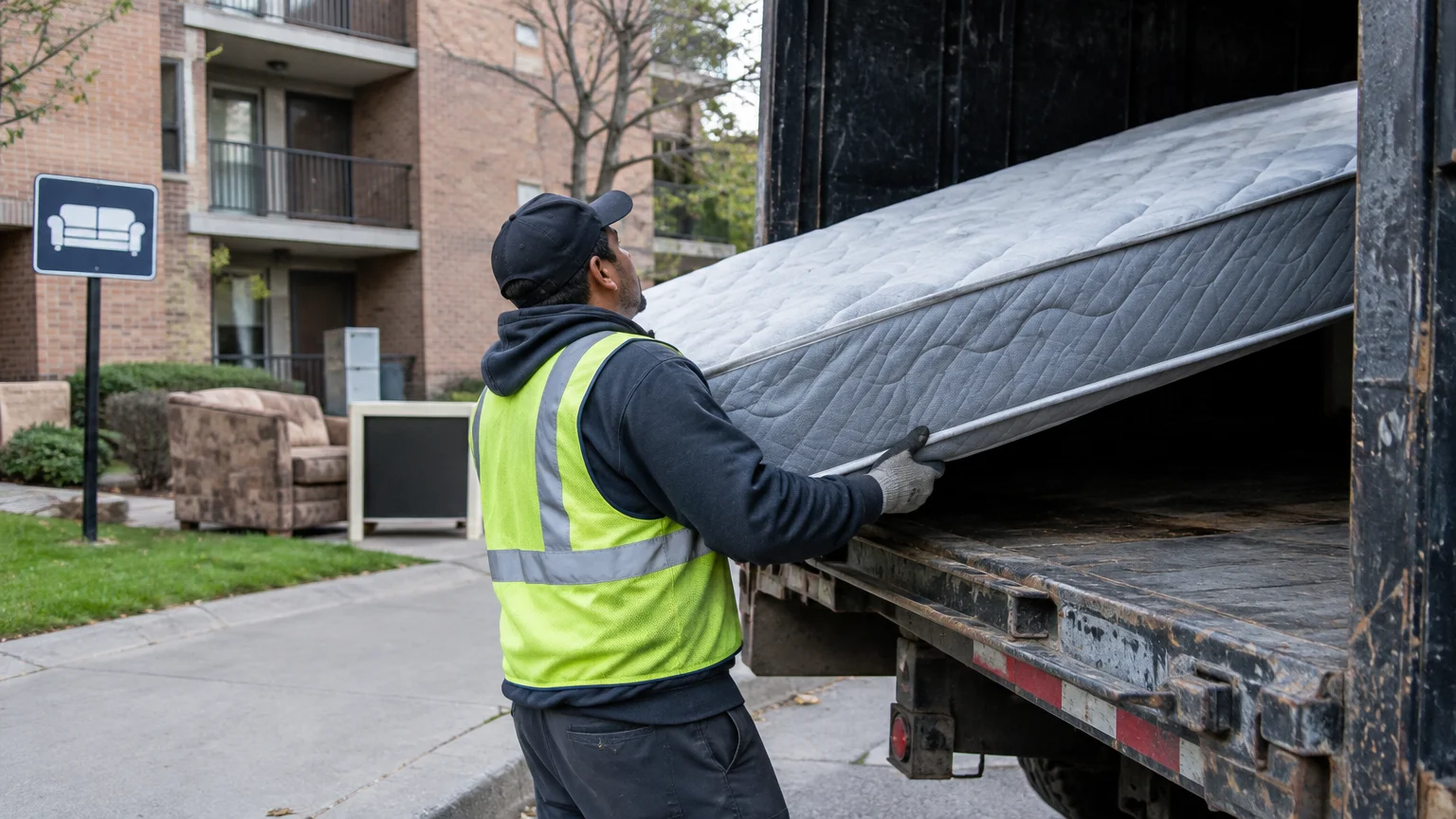
- What are the best ways to dispose of a mattress?
- Can you donate or give away a used mattress?
- How does mattress recycling work?
- Can you leave a mattress out for regular trash collection?
- How should you prepare a mattress for disposal?
- How do you dispose of a mattress with bed bugs or other contamination?
- How can you move a mattress safely?
- When should you hire a mattress removal service?
- What affects the cost of mattress disposal?
- How do you choose the right mattress disposal option?
- Frequently Asked Questions
- Key takeaways
- Conclusion
What are the best ways to dispose of a mattress?
The right mattress disposal choice depends on its condition and the local rules. A clean mattress in good shape may be suitable for donation or reuse. A worn mattress may go to a recycler, retailer take-back program, local pickup, or junk removal service. Ask the provider what it accepts before moving the mattress or placing it outside.
Compare the main options
Donation or reuse can keep a mattress that is still safe in use. However, groups often have firm rules about stains, wear, and cleanliness. Some groups do not accept mattresses at all. Recycling may be a good choice if a nearby facility accepts the mattress type and can take it at that time. A retailer may also take an old mattress when delivering a new one, but each seller sets its own rules.
Hauling can help when a mattress is too worn for donation, or when you cannot reach a recycler. It may also suit a home cleanout with other large items. Littleton Junk Removal can help Littleton property owners understand what details to check before arranging a collection. Ask how the mattress will be handled and whether reuse or recycling may be possible.
Match the choice to the mattress
First, check the mattress for tears, deep stains, damp spots, odors, or signs of pests. Then decide whether it is clean and safe enough for another person to use. If it is in poor shape, do not offer it for donation. Ask local waste or recycling providers what they accept instead. Mattress disposal rules can change between nearby towns, so check the service for your address in Littleton.
The mattress materials can also affect your choice. Foam, innerspring, and hybrid mattresses may need different handling. Some facilities take only certain types or sizes. A quick call or check of the provider’s official information can save a wasted trip. Keep the mattress indoors until you know where it can go and how it must be prepared.
Can you donate or give away a used mattress?
You may be able to donate or give away a used mattress if it is clean, dry, safe, and accepted by the group. Many charities follow strict health rules and may refuse mattresses, even when they look usable. Ask before you make plans, describe the mattress honestly, and never leave it at a donation site without approval.
Check condition rules first
Look over both sides, the seams, and the edges. Do not pass on a mattress with bed bugs, mold, strong odors, large stains, exposed springs, or a broken frame. Even a small mark may break a charity’s rules. A mattress that looks clean to you may still be refused, so check the group’s current policy first.
If the mattress is in good shape, take clear pictures and share its age and condition when asked. Be open about wear and any known problems. The person who receives it needs enough facts to make a safe choice. Do not call a stained or damaged mattress clean or like new. Clear details help avoid a failed pickup and help protect the next user.
Find a suitable reuse option
Ask local charities, furniture reuse groups, community groups, or neighborhood giveaway pages. Find out if they take mattresses, whether they collect them, and if the mattress needs a cover. Some groups accept bed frames but not mattresses. Others may take only certain sizes or types. A list online may not show the group’s newest rules, so check before arranging transport.
Giving a mattress to another person also takes care. Tell them its condition and set up a safe handoff. Do not leave it in an alley, beside a bin, or on a sidewalk for someone to take. It could get wet, attract pests, or become illegal dumping. If no approved reuse group will take it, choose another permitted way to dispose of it.
How does mattress recycling work?
Mattress recycling means taking a mattress apart so some of its materials may be used again. Depending on the design and the facility, workers may recover metal springs, foam, fabric, or wood. Not every facility accepts every mattress. Before you arrange drop-off or pickup, confirm that the site takes your mattress type and condition.
What may be recovered?
An innerspring mattress may contain steel coils, padding, fabric, and sometimes wood. A foam mattress may contain layers of foam and fabric, but no metal springs. A hybrid mattress combines different materials. Recycling workers may separate those parts and send usable materials into other recovery or manufacturing processes.
The exact process depends on the site’s tools and the mattress condition. A wet, moldy, pest-affected, or badly damaged mattress may be refused. Some recyclers ask you to remove plastic wrapping and bedding first. Others want the mattress to arrive intact. Do not cut it open or take it apart unless the facility asks you to do so.
Check the facility’s rules
Before driving to a facility, ask if it accepts your mattress size and type. Check its drop-off hours, where to unload, and what preparation it requires. Ask whether it accepts box springs, too. A recycling center may take mattresses only through a special program, not as part of its regular household recycling service.
People in Littleton can check local waste and recycling information before choosing a route. Littleton Junk Removal can also explain whether mattress removal is an option when a mattress is too bulky to move. Recycling can be useful when a nearby program is available, but do not assume every site accepts mattresses. If the first site cannot take yours, ask about another approved option rather than leaving it at the gate.
Can you leave a mattress out for regular trash collection?
Put a mattress out with regular trash only if the local waste provider allows it and gives clear instructions. Some places require a booked bulky-item pickup or a trip to a special site. Check the rules before taking the mattress outdoors. An item that is not approved may be left behind or treated as illegal dumping.
Check collection rules
Read the city or waste provider’s official guidance. Look for rules about bulky household items, mattresses, and box springs. Find out if you must book a pickup, cover the mattress, or place it in a certain spot. If the instructions are not clear, ask the provider before setting it outside.
Keep the mattress indoors until the pickup is confirmed. An item left outside can block a path, get soaked, or blow around in strong wind. It may also attract insects or end up at a site that cannot handle it. Do not leave a mattress beside a shared bin unless the property manager or hauler has approved that plan.
Avoid unsafe or illegal dumping
A mattress left in a vacant lot, beside a road, or near an unapproved bin can cause problems for neighbors and property owners. It may block access, collect water, or add to an existing dumping spot. The person who leaves it may also face local penalties. Use a collection or drop-off option that clearly permits mattresses.
People in apartments should check with building management before moving a mattress near shared bins. The building may have a special area or a set pickup process for large items. Landlords and property managers should check local rules before clearing a vacant unit. A clear plan can keep a mattress from sitting in a hallway or at the curb without a pickup arranged.
How should you prepare a mattress for disposal?
Prepare a mattress by clearing the path, taking off the bedding, and keeping it clean during the move. Use a mattress bag or strong plastic cover if the receiving service asks for one. Check the rules before wrapping it, especially if it is going to a charity or recycler. Some places need to see the mattress before they accept it.
Protect it during transport
Take off sheets, pillows, and other bedding first. Keep the mattress dry and away from pets or household mess. A mattress bag can help keep dust and water off while you move it. Use a cover that fits and close it well. Do not keep a wet mattress sealed in plastic for a long time.
If a charity or recycler may take the mattress, ask whether it needs a cover. Some providers want it wrapped, while others need it uncovered for a check. Do not use a label or cover to hide a stain or damaged area. Tell the receiving provider about any known issue before you load the mattress.
Plan the route out of the home
Measure narrow hallways, stair turns, doorways, and elevator openings before you move the mattress. Clear small items from the route and hold doors safely. Keep children and pets away while you carry it. If the mattress will not turn through a doorway, do not force it or risk damage to the home.
Planning matters for other household cleanouts, too. A fridge or another appliance may need its own pickup and preparation plan. Do not assume one company accepts every kind of item. Tell the service what you need removed, including furniture or appliances, so it can confirm what it takes and how to get items ready.
How do you dispose of a mattress with bed bugs or other contamination?
A mattress with bed bugs, mold, bodily fluids, or another problem needs careful handling. Keep it contained, do not drag it through the home, and ask the local waste provider or removal service what to do. Tell the provider about the problem before moving it. That gives the provider a chance to explain what it accepts and how to prepare the mattress.
Keep the problem contained
Do not donate or give away a mattress that may carry pests or pose a health risk. If you suspect bed bugs, avoid carrying the mattress uncovered through shared hallways. A sealed mattress cover may help contain it, but follow advice from a pest expert or the receiving provider. Do not use a treatment that could make the mattress unsafe for workers.
For mold or dampness, do not shake or cut the mattress. Keep people and pets away from the affected area. If the problem is severe, ask a qualified local professional how to handle it safely before moving it. A junk removal crew may not offer pest treatment or hazardous-material cleanup, so check what the service does before booking.
Tell the provider before collection
Explain the problem in plain words. Say if the mattress has bed bugs, visible mold, a strong smell, or a bodily-fluid stain. Ask if the provider accepts it and whether special wrapping is needed. If it cannot take the mattress, ask which local waste service can give you the right disposal steps.
Cleaning a stain does not always make a mattress fit for donation. A surface cleaner may not reach deep into the filling, and strong cleaners can harm the materials. Urine stain removal may also leave a smell or mark. If the mattress is still stained, damp, or not safe to reuse, choose an approved disposal route rather than passing it on.
How can you move a mattress safely?
Move a mattress with enough help, a clear path, and a plan for stairs and tight turns. Bend your knees, keep the load close, and stop if you cannot see or the mattress feels too heavy. A large or awkward mattress may be safer for trained haulers to move. This is especially true on narrow stairs or in tight hallways.
Use safe lifting habits
Ask another adult to help with a bulky mattress. Agree on who will lead and when to lift, turn, and lower it. Move with steady steps, keep your back in a comfortable position, and avoid twisting as you carry. Take breaks when needed. Do not try to carry a mattress alone just because one side feels light.
Move rugs, shoes, boxes, and other trip hazards out of the way. Make sure the place where you will set the mattress is clear. Wear gloves if it is dirty or has rough edges. If it is wet, contaminated, or damaged, stop and ask the receiving service how to handle it safely rather than carrying it through the home.
Secure it if you transport it yourself
Use a vehicle that can carry the mattress safely and legally. Do not let it block the driver’s view, hang loose, or cover lights or license plates. Use strong straps to hold it in place. Follow the vehicle maker’s guidance and local road rules. Never rely on a loose rope or on another person holding the mattress.
A mattress on a roof can catch the wind, shift, or fall. If the vehicle is not made for roof loads, or the mattress cannot be secured well, choose a pickup or hauling service. Check the drop-off site’s rules before leaving home. A mattress that arrives wet or damaged may no longer be accepted for donation or recycling.
When should you hire a mattress removal service?
A mattress removal service may help when the item is too heavy, the route is hard, transport is not available, or several large items need to go. It can also save you from carrying the mattress down stairs or finding an approved drop-off site. Ask what the service accepts and how it handles reuse, recycling, and disposal.
Consider the whole job
Think about the route from the room to the pickup spot. Narrow stairs, long hallways, elevators, and tight doors can make removal harder. Consider the mattress size and condition, along with any other items that need to go. A company that handles household junk may also take a couch, dresser, or bed frame during the same visit, if those items are accepted.
Ask if the service can take a stained or pest-affected mattress. Share that information before the visit, not when the crew arrives. Also say if the mattress is upstairs or behind a locked gate. Clear details help the provider plan the work and avoid a missed collection.
Ask how it will be handled
A good provider should explain what it can take and what may happen next. Ask if mattresses can go to reuse, recycling, or an approved disposal site. Do not assume every item will be recycled. The final route can depend on the mattress condition, local facility rules, and what the facility accepts that day.
People looking for mattress removal services can compare the service details, not only how easy it sounds. Check whether the provider serves the home, handles stairs, and can take related furniture. Littleton Junk Removal can answer questions about its removal process and the details to share before collection. Clear the pickup area and follow the provider’s directions.
What affects the cost of mattress disposal?
Mattress disposal costs depend on the mattress size, its condition, the distance to an approved site, and how easy it is to reach. Stairs, long carries, contamination, and extra furniture can also change the work involved. A provider confirms the final cost on a quote after reviewing the job details. There is no single cost that fits every mattress pickup.
Consider the work involved
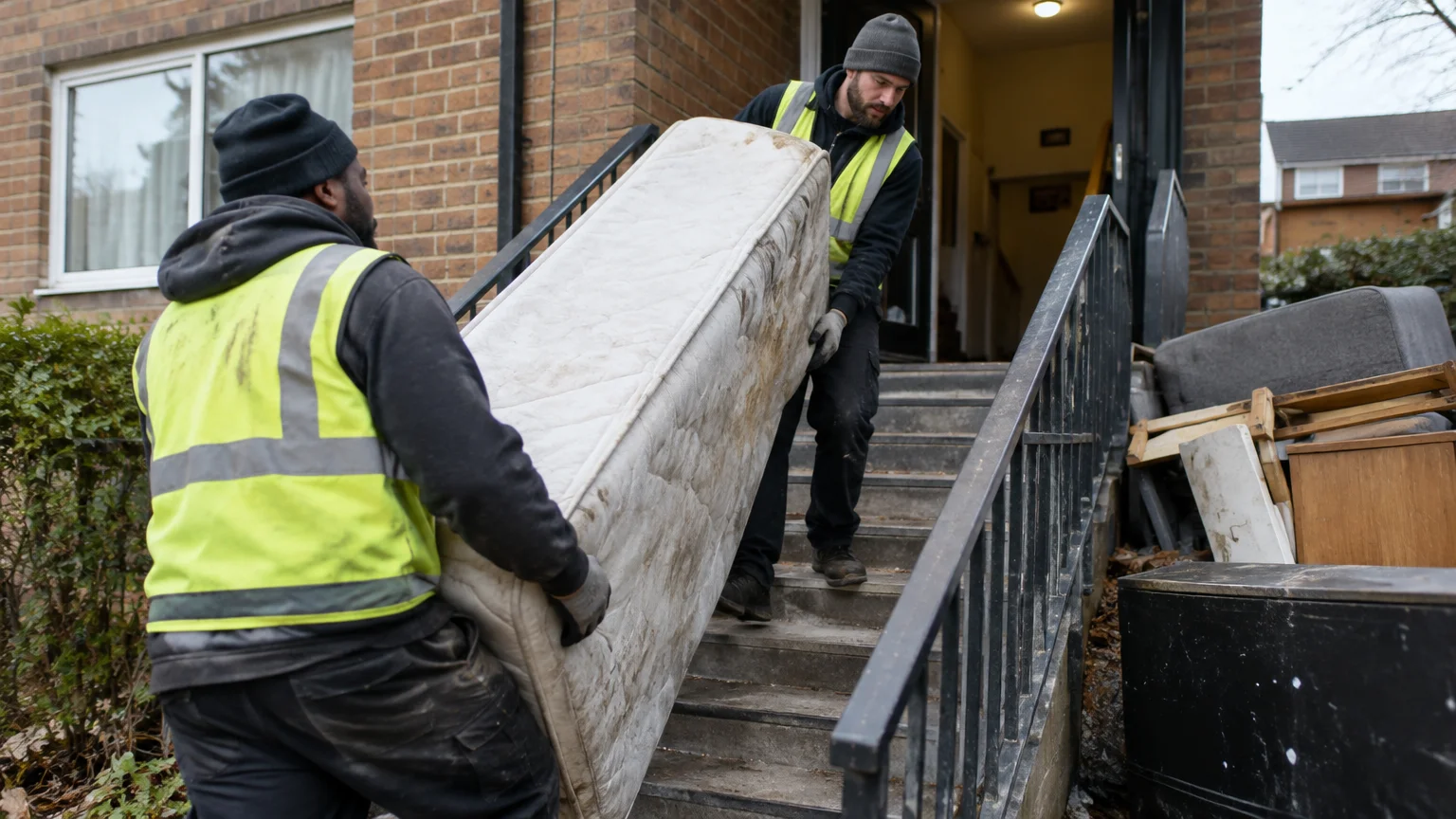
A mattress beside an easy ground-floor exit may take less work to move than one upstairs behind narrow stairs. A wet or pest-affected mattress may need extra care, or a regular service may not accept it. Transport needs can vary as well. A nearby recycling site may reject some types, so the route that works can affect the work involved.
The number and type of items matter, too. Taking one mattress is different from clearing a bedroom with a bed frame, dresser, and other household junk. A broken furniture item may need a different plan than a clean mattress. Share a clear list and access details when you ask for a quote. Mention stains or pests, since those details can affect what the provider can do.
Compare options fairly
Compare what each option includes. A retailer take-back program may only be available with a new delivery. A donation group may require the mattress to meet strict rules. A recycler may ask you to drop it off, while a hauling service may collect it from inside the home if that service is offered. Ask what is included and what you still need to do.
Do not choose based only on a short description. Confirm the pickup place, accepted items, and any steps to prepare the mattress. If a provider gives a quote, check that it covers the mattress, the access route, and any other items you discussed. This helps you compare similar services instead of making a choice with missing details.
How do you choose the right mattress disposal option?
Choose a mattress disposal option by checking its condition, confirming local rules, and seeing if you can move it safely. Try reuse first only when the mattress is clean and accepted. Check recycling and retailer programs next. If they do not fit, look for approved bulky-item pickup or a removal service.
Follow a simple decision process
- Inspect the mattress. Look for moisture, stains, pests, tears, and broken parts. Be honest about its condition.
- Check reuse options. Ask charities or community groups if they accept this mattress type and condition.
- Confirm recycling rules. Contact a facility to check what it takes and how to prepare the mattress.
- Review local collection rules. Find out if you need a booked pickup or a special drop-off.
- Choose safe transport. Get enough help and use a safe vehicle, or arrange a service that can collect it.
Do not move the mattress until the destination confirms it can accept it. This is important if it is stained, damp, oversized, or affected by pests. Keep any instructions nearby on pickup day. If your first choice cannot take it, ask the local provider about another approved option instead of leaving the mattress outdoors.
Make the plan fit the home
A homeowner with a clean mattress and a suitable vehicle may be able to arrange a local drop-off. Someone in an apartment, with a narrow stairwell or no transport, may need pickup help. A landlord clearing several rooms may want to plan mattress and furniture removal together. The right choice follows local rules and can be done safely.
The same steps work in Littleton and other communities: check the mattress, confirm acceptance, and plan the move. Littleton Junk Removal can explain its mattress removal process and what details to share. Keep the mattress dry and contained while you wait. If no reuse, recycling, or pickup option accepts it, contact the local waste authority for further guidance.
Frequently Asked Questions
How can someone get rid of an old mattress?
Check if the mattress is clean enough for donation, then ask local charities or reuse groups if they accept it. If they do not, contact a recycler, retailer, local waste provider, or hauling service. Confirm acceptance and preparation rules before moving it. Never leave a mattress at a donation site or curb without approval.
Can a stained mattress be donated?
A stained mattress is often refused because the group must protect the next user. Ask about its rules and describe the stain honestly. Stain removal may not remove deep marks or smells. If the mattress is still stained, use a recycling or disposal option that accepts its condition.
How do you handle urine stains on a mattress before disposal?
Blot fresh moisture without rubbing it deeper, and follow the maker’s care instructions. Do not soak the mattress or mix cleaning products. Urine stain removal may not remove a deep smell or mark. If the mattress is still damp or not suitable for reuse, tell the disposal provider before collection.
Can a mattress with bed bugs be put out for pickup?
Do not set it out until the waste provider or removal service confirms its rules. Keep it contained, avoid dragging it through shared areas, and tell the provider about the suspected pests. Some services may refuse it or ask for special wrapping. Follow local instructions instead of giving it away or leaving it unattended.
Does every recycling center accept mattresses?
No. A center may accept only some mattress types, sizes, or conditions, and some centers take no mattresses. Check its current rules before you drive there. Ask if it takes box springs and whether the mattress needs a cover. If it cannot accept the item, ask about another approved local option.
Key takeaways
- Check the mattress first. Clean, dry mattresses may suit reuse, while damaged or contaminated ones need another route.
- Confirm acceptance before moving it. Donation groups, recyclers, retailers, and waste providers have different rules.
- Plan a safe path. Clear hallways and stairs, get enough help, and secure the mattress during transport.
- Tell providers about problems. Stains, moisture, pests, and difficult access can affect what they accept.
- Keep it off unapproved curbs. Use a confirmed pickup, drop-off, or hauling plan.
Conclusion
Mattress disposal is easier when you check the condition, local rules, and transport before moving the item. Donation may suit a clean mattress, while recycling or approved hauling may suit one that cannot be reused. Keep stained or pest-affected mattresses contained. Confirm every collection plan before setting an item outside.
For help arranging mattress removal, Contact us to discuss the item and pickup details. You can also learn more about Littleton Junk Removal and its service options.
If you are not sure what you are dealing with, it is worth having someone look at it before it turns into a bigger job. Get in touch with Littleton Junk Removal today and we will tell you where you stand.